
Exploring the historical evolution of gambling From ancient past to modern practices
The Origins of Gambling in Ancient Civilizations
The roots of gambling can be traced back to ancient civilizations, where evidence suggests that games of chance were a popular form of entertainment. Archaeological findings indicate that as far back as 3000 BC, the Chinese were using rudimentary dice made from animal bones for gaming purposes. These early forms of gambling were often intertwined with cultural and religious practices, suggesting that the act of risking something valuable for the thrill of winning was viewed as a significant ritual. In many ways, this highlighted the fascinating relationship between chance and fortune, similar to how some enjoy the best real money online pokies today.
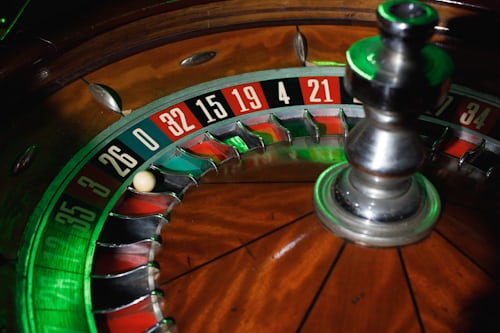
Similarly, in ancient Rome, gambling was widely accepted and even celebrated. The Romans engaged in various games of chance, including betting on gladiatorial contests. This societal acceptance laid the groundwork for future gambling practices, reinforcing the idea that chance could lead to fortune and vice versa. As these civilizations evolved, so too did their gambling customs, reflecting the changing attitudes towards risk and reward.
The Transition to Medieval and Renaissance Gambling
The medieval period marked a notable shift in gambling practices, with card games gaining prominence. Originating from Asia, playing cards made their way to Europe by the late 14th century, quickly becoming a favorite pastime among the nobility. This period also saw the establishment of betting houses, where patrons could place wagers on various outcomes, from sports events to card games. The allure of these venues contributed to gambling’s growing popularity in society.
During the Renaissance, gambling underwent further evolution with the introduction of more sophisticated games and betting systems. The concept of skill versus luck began to emerge, with players recognizing that strategic thinking could influence outcomes. This blending of skill and chance began to redefine gambling, paving the way for modern practices that continue to thrive today.
The Rise of Legalized Gambling in the Modern Era
The 19th century ushered in a new age of gambling with the legalization of various forms of betting, particularly in Europe and the United States. The establishment of horse racing as a legitimate betting sport catalyzed a gambling boom, leading to the creation of racetracks and the formulation of betting regulations. This period also witnessed the birth of state-run lotteries, which became a popular method for raising funds for public projects.
As the 20th century approached, gambling continued to evolve, driven by technological advancements. The introduction of mechanical slot machines in the early 1900s transformed casinos and created new opportunities for players. This era laid the groundwork for the lavish casinos of Las Vegas, which would later become synonymous with modern gambling culture. The rise of online gambling in the late 1990s further revolutionized the industry, enabling individuals to engage in betting from the comfort of their homes.
The Influence of Technology on Gambling Practices
In recent years, technology has profoundly impacted the gambling landscape. Mobile apps and online platforms have made gambling more accessible than ever, attracting a new generation of players. This shift has resulted in the development of diverse gaming options, from virtual poker to live dealer games, providing an immersive experience that mirrors traditional casinos.
Moreover, technological advancements have also led to the rise of innovative betting strategies that blend skill and luck. Players now have access to a wealth of information and analytics, allowing them to make more informed decisions. This evolution has sparked debates about the role of skill versus luck in gambling, with many arguing that strategic approaches can significantly enhance a player’s chances of success in various games.

Conclusion: The Ongoing Evolution of Gambling
The historical evolution of gambling showcases its adaptability and resilience through the ages. From ancient rituals to modern digital platforms, the act of gambling continues to captivate millions worldwide. As society evolves, so too will the methods and perceptions surrounding gambling, ensuring that it remains a significant aspect of human culture.
For more insights into the ever-changing world of gambling, our website provides comprehensive resources and articles. Explore various topics related to gambling practices, industry trends, and tips for responsible gaming, all aimed at enhancing your understanding and enjoyment of this age-old pastime.